Getting Ready for this complexity permits more informed decisions and supports long-term investment success. The book value of an asset reflects how much the asset is value based on the value paid for the asset back when it was purchased minus any accumulated depreciation. On the other hand, this idea also refers again to the value of a company’s Shareholder’s Fairness as measured by accounting information. As most corporations have millions of shares excellent, the calculations can seem daunting, but market value is really fairly a easy affair. To use an example, a company with 5 million models of stock excellent buying and selling at $15 per share has a market worth of $75 million. If an organization is anticipated to generate robust profitability, its market worth tends to rise.
Guide worth is especially relevant for assessing an organization’s financial stability and determining if a stock is undervalued or overvalued. Market worth, on the opposite hand, is more relevant for short-term traders and traders who’re excited about buying or selling assets based mostly on current market conditions. For instance, overestimating a company’s market worth compared to its guide worth might point out market speculation or investor sentiment somewhat than intrinsic value.

This is why a tech company’s Market Worth can be dozens of instances larger than its E-book Value. Its BV reflects its computer systems and office furnishings, while its MV reflects the billions in future revenue those assets are expected to generate. It is feasible to get the price per e-book value by dividing the market value of a company’s shares by its book value per share. For instance, a company has a P/B of one when the book valuation and market valuation are equal. That means the market valuation is less than the guide valuation, so the market would possibly undervalue the inventory. The following day, the market price zooms greater and creates a P/B ratio greater than one.
Conversely, a excessive market value relative to book value would possibly mirror investor confidence or progress prospects. This process includes a deep dive into numerous metrics and valuation methods to determine the potential return on investment (ROI). By understanding both market and e-book values, investors can make extra informed decisions about where to allocate their capital. Making informed buy and sale selections depends closely on precisely assessing the relative values of stocks through the excellence between guide and market value.
Basic analysis further examines earnings, cash flows, and progress prospects to evaluate true worth relative to market worth. Traders can use this data to refine their valuation methods and scale back publicity to overhyped or undervalued belongings. By assessing the connection between guide and market worth, they achieve insights into market perceptions versus intrinsic worth.

What Is E-book Worth Per Share?

Each valuation metrics also lack the power to account for future development prospects, aggressive advantages, or industry-specific dangers. They provide a snapshot at a given second however don’t incorporate qualitative factors https://www.simple-accounting.org/ important for complete stock evaluation. Recognizing these limitations is significant for traders looking for accurate and balanced valuation strategies.
- Collectors who present the necessary capital to the business are more interested within the company’s asset value.
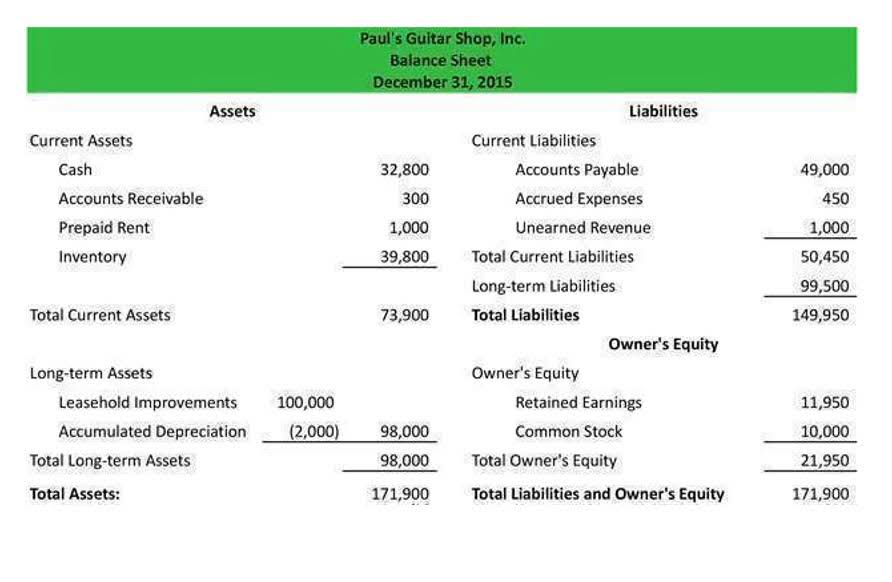
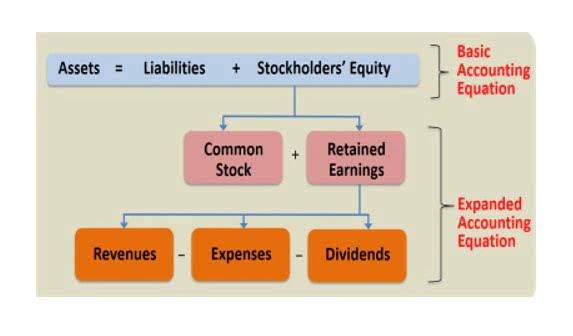
- E-book value is determined by subtracting whole liabilities from total assets on a company’s stability sheet.
- The following day, the market value zooms higher and creates a P/B ratio larger than one.
- Guide value helps investors determine undervalued stocks, particularly in industries with sturdy financial health.
Market Sentiment Results
The book worth of an asset rarely fluctuates because it usually remains unchanged inside the company’s books. On the other hand, there are specific instances by which the book value of an asset may be revalued based on extreme modifications in market conditions or modifications within the asset itself. Guide value and market value provide two very alternative ways of looking at an organization — one is grounded in a business’s stability sheet, and the opposite serves as a broad representation of market sentiment. Guide worth fluctuates and changes, but since it is primarily based on accounting information usually released quarterly, these fluctuations are uncommon.
Conversely, mature manufacturing corporations might have market values near or below their e-book values, highlighting different valuation realities throughout sectors. Greedy their differences enhances decision-making and investment methods, revealing each opportunities and dangers throughout the financial panorama. This exploration sheds gentle on their calculation, relevance, and limitations in stock valuation. With Out such detailed analysis, buyers risk mispricing assets, encountering sudden liabilities or overlooking avenues for worth enhancement.
Corporate improvement groups, CFOs and different dealmakers can gain an edge on this surroundings by adopting a extra thorough valuation method. This includes evaluating multiple situations and stress-testing key assumptions to uncover potential upside and downside outcomes. In this case, the book value of the forklifts ($4,500) is completely different than its market value ($3,800). Throughout the next article we’ll outline crucial differences between both concepts and the way they’re usually applied and used within the business world. Our aim is to create the absolute best product, and your thoughts, ideas and recommendations play a serious function in serving to us determine alternatives to enhance.
Generally, companies get equity capital through different measures, such as follow-on issues, rights points, and extra share sales. In those instances, the market sees no reason to worth an organization differently from its belongings. If XYZ Firm trades at $25 per share and has a million shares outstanding, its market worth is $25 million. Financial analysts, reporters, and buyers often mean market worth once they point out a company’s worth. E-book value doesn’t at all times embrace the complete impact of claims on assets and the costs of promoting them.